

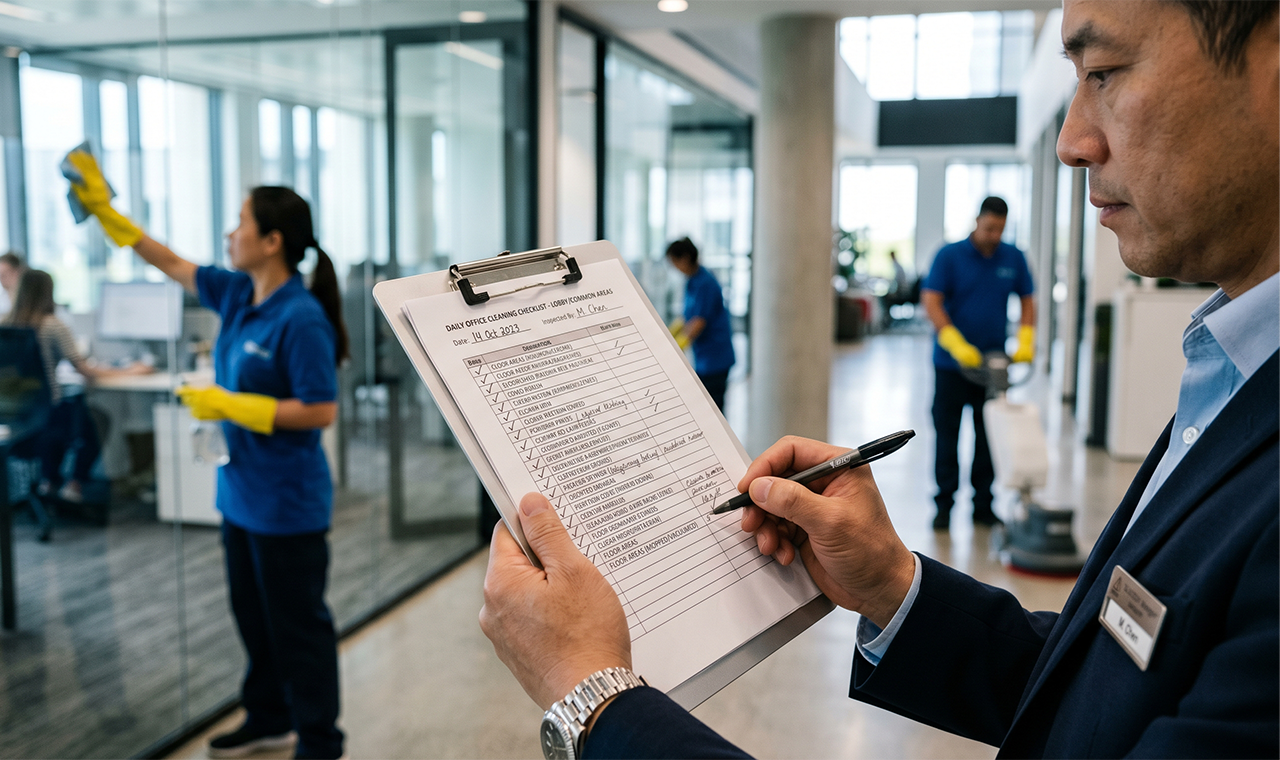
You can tell within a week when a cleaning programme isn’t holding. Overflowing bins by the lifts, smeared glass in reception, a washroom out of towels by mid-morning.
Home > Insights & News > UK End of Tenancy Cleaning Standards and Responsibilities Guide


Your end of tenancy cleaning responsibilities UK require you to return the property in the same condition recorded in the inventory, allowing for fair wear and tear. This includes deep cleaning kitchens, bathrooms, carpets, and internal appliances. The check-out inspection compares condition against the inventory under a deposit protection scheme. Cleaning standards, not general ageing, determine whether deductions apply.
This UK legal-context guide explains what you are responsible for, how condition is assessed, and what usually leads to deposit deductions. You will learn how inventories are used, how fair wear and tear is distinguished from cleaning issues, and how to prepare for inspection properly.
If you want a structured approach before check-out, download the room-by-room checklist or request a pre-inspection review to reduce risk.
End of tenancy cleaning means restoring the property to the same standard recorded in the check-in inventory, allowing for fair wear and tear. It is a condition-matching obligation, not a general tidy-up.
At check-out, the landlord or letting agent compares:
The deposit protection scheme relies on that documented comparison when resolving disputes.
The key test is evidence. If the inventory shows a clean oven interior and it is returned with grease, that is a chargeable cleaning issue. If carpet fibres are naturally flattened after two years of normal footfall, that may qualify as wear and tear.
Cleaning does not mean improving the property. It means restoring it to its documented baseline.
Mini summary:
End of tenancy cleaning is inventory-led and evidence-based. Dirt triggers deductions. Natural ageing does not.
In the UK, tenancy deposits are protected under government approved schemes such as the Deposit Protection Service, Tenancy Deposit Scheme, and MyDeposits. These schemes operate under the Housing Act 2004 and provide a formal dispute resolution process if landlords and tenants disagree on cleaning standards.
You can review official tenancy guidance here
https://www.gov.uk/tenancy-deposit-protection
Letting agents and inventory clerks often follow guidance from ARLA Propertymark and professional cleaning frameworks such as BICSc standards when assessing cleanliness. This means cleaning is judged against documented condition rather than personal opinion.
Cleaning teams and inventory clerks judge cleanliness against the documented condition rather than personal opinion.
Understanding these frameworks helps tenants prepare properly and reduces the risk of disputes during check out inspections.
At check-out, the property is assessed against the original inventory and check-in report. The inspection is evidence-based. It focuses on condition, cleanliness, and comparability.
Inspectors do not assess effort. They assess outcome.
Photos are usually taken again at check-out. These are compared directly with check-in images.
Inspection expectations vary depending on:
A two-year tenancy may allow more wear. It does not allow dirt.
Late key return can delay inspection and complicate deposit release.
If there is disagreement, the deposit protection scheme reviews:
Decisions are based on documented condition, not opinion.
Mini summary:
Inspections compare recorded condition to current condition. Evidence decides outcomes. Preparation reduces risk.
Use this room-by-room checklist before your final inspection. Work methodically and tick off each area as you go.
Don’t rush. Most deductions happen because something small was missed.

Most deposit deductions linked to cleaning are not about serious damage. They are about small areas that were missed.
If something is recorded as “clean” at check-in and returned in a lower standard, a deduction may be proposed.
Here are the most common issues.
If you want a structured approach, many tenants use a professional move out cleaning service to ensure no areas are missed before inspection.
Ovens are one of the biggest causes of disputes.
Common problems include:
Even if the rest of the kitchen looks clean, the oven is often inspected closely.
Limescale is frequently listed in check-out reports.
Issues include:
These are considered cleaning issues, not wear and tear.
Carpet condition is often compared carefully against the inventory.
Disputes usually involve:
If carpets show visible staining or heavy wear, professional carpet cleaning helps restore appearance and align with inventory expectations.
It’s easy to forget the inside of things.
Common missed areas:
These small details are often highlighted in reports.
UGC
“Landlord wants £180 for oven cleaning. It wasn’t spotless, but it wasn’t filthy either.”
Source: Reddit, r/TenantsInTheUK, Oct 2023, oven residue dispute
Takeaway: Oven interiors are high-risk areas. If the inventory shows a clean oven, visible grease can justify deductions. Always photograph inside after cleaning.
“They deducted for limescale in the shower and dust inside cupboards.”
Source: Reddit, r/HousingUK, May 2024, bathroom and cupboard cleaning
Takeaway: Limescale and cupboard interiors are frequently flagged at inspection. These are cleaning issues, not wear and tear. Internal surfaces must be wiped and descaled.
These examples show a pattern: disputes often involve kitchens, washrooms, carpets, and appliance interiors. The deciding factor is documented condition, not effort.
Mini summary:
Most disputes relate to overlooked detail areas. Inventory evidence determines outcomes.
You can clean the property yourself or appoint a professional company. The legal standard remains the same: the property must match the check-in condition, allowing for fair wear and tear.
The difference is risk control and evidence.
Pros
Cons
DIY works if you follow the inventory line by line and document everything. Missed appliance interiors and limescale are common failure points.
Pros
Cons
A receipt does not guarantee deposit return. It supports your position if the cleaning standard is questioned.
It depends on:
If carpets are heavily stained, professional extraction may be necessary to restore them to baseline condition.
Mini summary:
DIY reduces cost but increases inspection risk. Professional cleaning improves evidence and consistency, not legal immunity.
Cleaning scope is determined by condition and property characteristics. It is not a fixed template. The inventory and recorded baseline set the standard.
You are responsible for restoring condition, not upgrading it.
A small one-bedroom flat with light use requires less time than a heavily used family property with stained carpets and grease build-up.
These areas require targeted cleaning, not surface wiping.
There is no standard price range because condition varies. The same property size can differ significantly based on use and maintenance.
Preparation reduces reactive cleaning and dispute risk.
Mini summary:
Scope is driven by condition and evidence. High-risk areas increase time and cost. Early review prevents last-minute issues.
Inventory Report
A document created at the start of the tenancy that records the condition and cleanliness of the property. It is used at check-out to compare any changes.
Check-In Report
The report completed when you move into the property. It notes the standard of cleaning, condition of appliances and any existing marks or wear.
Check-Out Inspection
The final inspection carried out when you leave. The property is assessed against the original inventory and any cleaning issues are recorded.
Fair Wear and Tear
Natural deterioration from normal use over time. Dirt, grease, limescale and residue are not considered fair wear and tear.
Deposit Protection Scheme
A government-approved scheme that holds your tenancy deposit and manages disputes between tenants and landlords.
Professional Cleaning Receipt
A document confirming that a property has been cleaned by a professional service. It may be requested during deposit discussions or inspections.
Independent inventory clerks or professional inventory companies carry out most check out inspections. They compare the property with the original check in report using detailed notes and photographs.
They assess:
Because inventory reports rely on evidence, inventory clerks record even small missed areas and reference them during deposit dispute reviews.
No, it is not legally mandatory to hire a professional cleaner. However, you must return the property to the same standard of cleanliness recorded in the check-in inventory. If the original standard was professional, matching it can reduce the risk of disputes.
Not always. Carpet cleaning is usually required if there are stains, odours or heavy wear. If carpets were professionally cleaned before you moved in, the landlord may expect a similar standard at check-out.
It depends on the size and condition of the property. A small flat in good condition may take several hours, while a larger furnished property can take a full day or more.
No. A landlord cannot legally require you to use a specific company. They can require the property to be returned to a professional standard of cleanliness.
If cleaning issues are identified, the landlord may propose a deduction from your deposit. If you disagree, the deposit protection scheme can review evidence from both sides and make a decision.
There is no legal requirement for certified cleaning. However, if the property was professionally cleaned before move in, landlords may expect a similar standard supported by a receipt.
Yes. Tenants can submit evidence such as photos and receipts through the deposit protection scheme dispute process.
The expected standard is return to inventory condition. This is often described as professional domestic cleaning standard rather than domestic day to day cleaning.
If you want to reduce the risk of deposit deductions, a professional cleaning assessment helps identify missed areas before inspection.
Our team follows inventory aligned cleaning standards used by letting agents and inventory clerks across London, Birmingham and Manchester.
You will receive:
Book your end of tenancy cleaning service early to secure availability before your move out date.

Wesley Smith is the Sales and Marketing Director at The Clean Space UK. He brings nearly 20 years of hands-on industry experience and a strong understanding of commercial strategy within professional hygiene services. As he puts it, “a strong brand is one that delivers the same experience it communicates in its messaging and content.
You can tell within a week when a cleaning programme isn’t holding. Overflowing bins by the lifts, smeared glass in reception, a washroom out of towels by mid-morning.
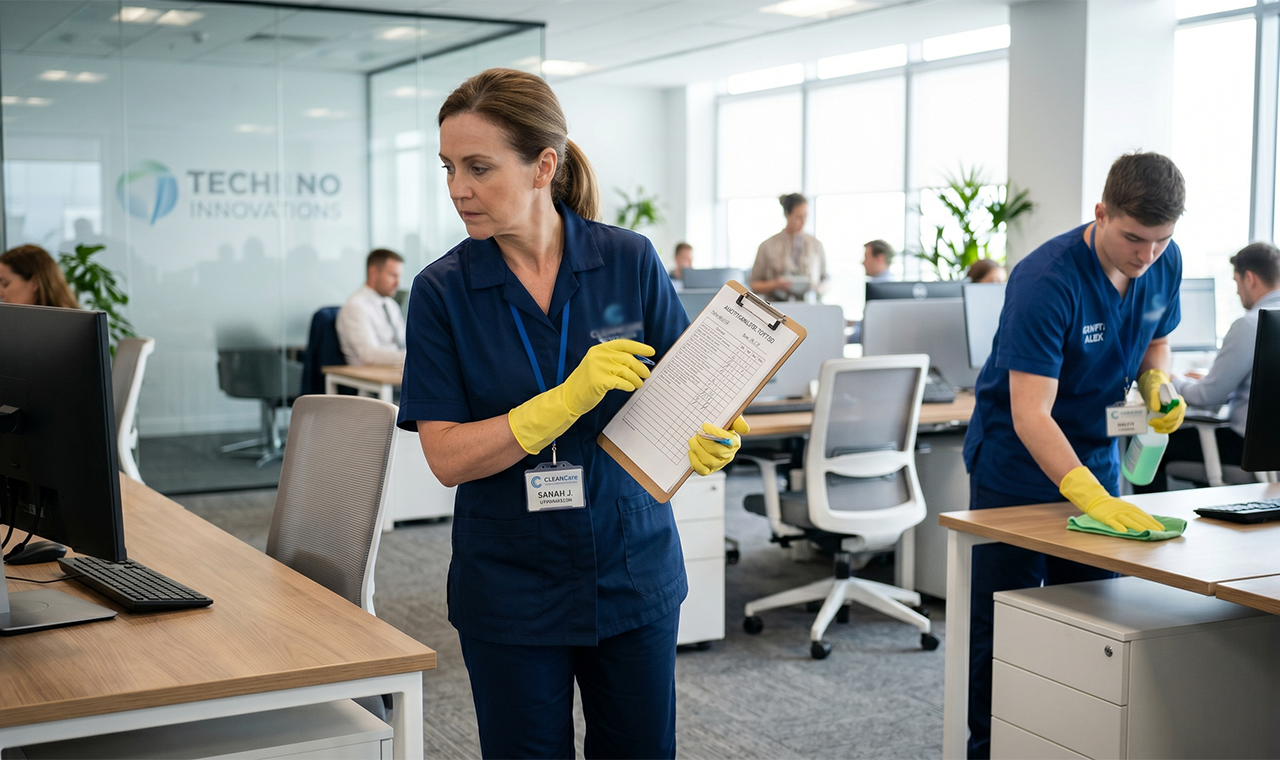
Most facilities managers never see a cleaning audit happen. A report arrives, it shows a score, and the contract carries on.
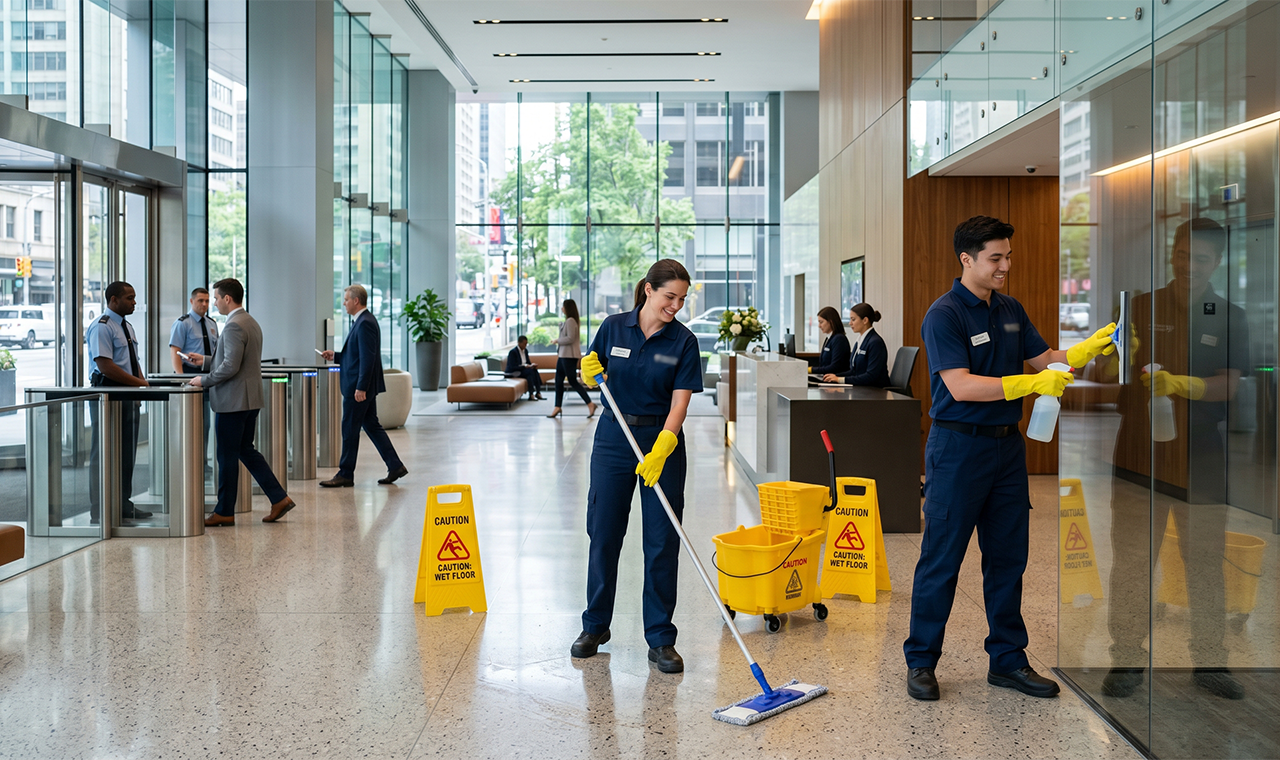
Commercial cleaning is a soft facilities management service, and it’s the most visible one your building has.
Cleaning Quote